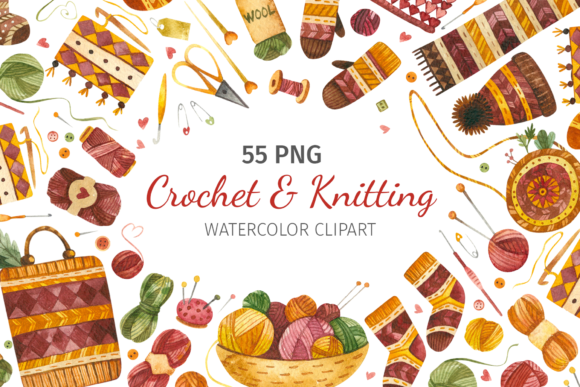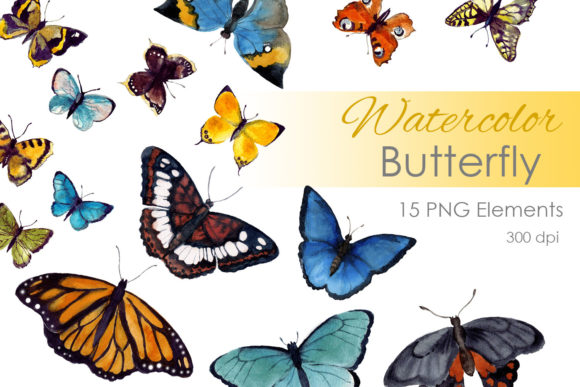
Watercolor Clipart. Watercolor Digital
As a designer who regularly works on branding, marketing visuals, and digital design assets, I always look for high-quality illustrations that can elevate a project without overpowering it. Watercolor Clipart. Watercolor Digital offers a soft, artistic touch that can bring warmth and personality to a wide range of creative projects. This review explores how this illustration set performs in real client work and whether it’s a valuable addition to a designer’s toolkit.
The First Impression: Soft, Expressive, and Timeless
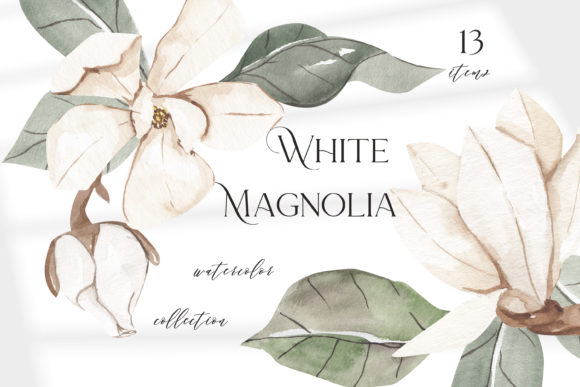
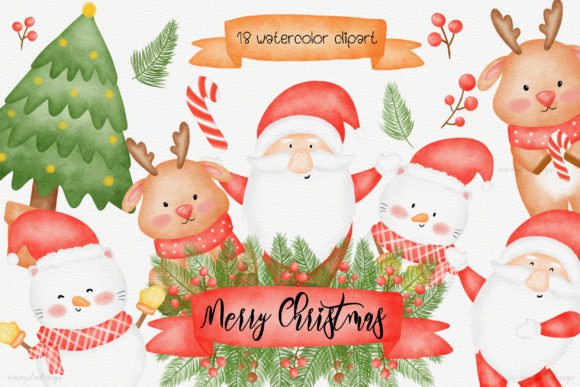
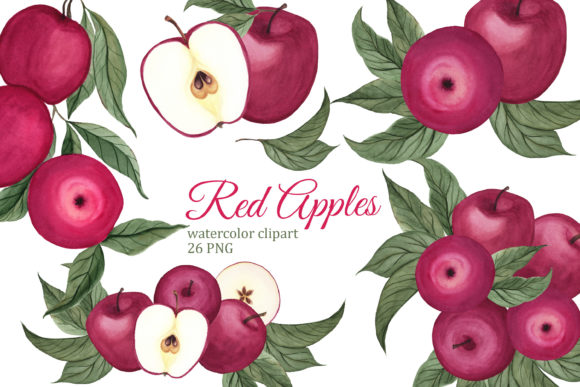
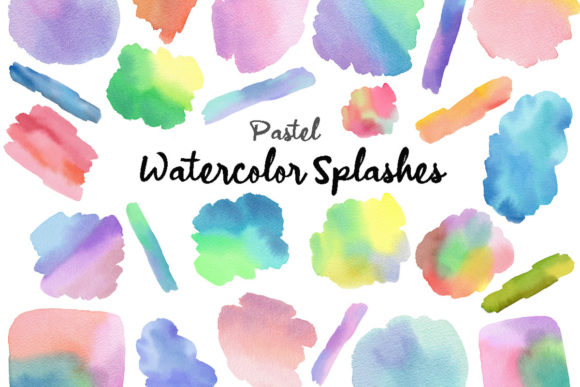
From the moment I opened the Watercolor Clipart. Watercolor Digital set, I was struck by its gentle, handcrafted aesthetic. The brushstrokes are rich with texture, and the color palette leans toward muted pastels and earthy tones—perfect for creating a sense of calm and sophistication. These illustrations feel like they were painted with care, making them ideal for brands that want to convey a handmade or artisanal vibe.
This style naturally fits small businesses, handmade brands, and seasonal campaigns. It also works well for print-on-demand sellers looking to add a unique visual element to their products. The illustrations are versatile enough to be used in both digital and physical formats, from social media graphics to t-shirt designs and packaging.
Real-World Applications: From Brand Identity to Social Media Graphics
In a recent project for a boutique skincare brand, I used Watercolor Clipart. Watercolor Digital to create a cohesive visual language across their website, social media posts, and product labels. The soft watercolor elements added a sense of elegance and approachability that aligned perfectly with the brand’s values.
For logo design, these illustrations can serve as a complementary element, especially when paired with a clean typeface. They’re also great for packaging design, where they can be used as decorative accents or background textures. In one instance, I incorporated a watercolor flower into a product box design, which gave the packaging a more personal and artistic feel.
When it comes to social media graphics, Watercolor Clipart. Watercolor Digital adds a visually appealing layer to Pinterest pins, Instagram posts, and Canva templates. The illustrations are especially effective in blog visuals and editorial design, where they can break up text and add visual interest without overwhelming the reader.
Where It Shines: Large Layouts, Hero Graphics, and Themed Collections
Watercolor Clipart. Watercolor Digital excels in large layout areas, such as hero banners, product mockups, and themed collections. Its soft edges and organic shapes make it perfect for creating a dreamy, whimsical atmosphere. For example, in a holiday campaign, I used a watercolor snowflake illustration as a background for a promotional email, which helped set the tone without distracting from the main message.
It also works well as a supporting brand element, especially when combined with other design assets. Whether it’s a sticker design, a Cricut project, or a printable wall art, the illustrations add a personal touch that feels authentic and engaging.
Where to Use With Caution: Minimalist Design and Corporate Projects
While Watercolor Clipart. Watercolor Digital is incredibly expressive, it may not be the best choice for minimalist branding or professional corporate materials. In these cases, the softness of the illustrations could clash with a clean, structured design language. Similarly, when working on low-contrast or crowded layouts, the watercolor elements might get lost or appear cluttered.
For projects that require a strong visual hierarchy, it’s important to test the illustrations in different contexts. I recommend placing them on real mockups and checking how they interact with other design elements. If the goal is to maintain a modern, streamlined look, it’s best to use these illustrations sparingly or pair them with bold typography.
Design Considerations: Readability, Contrast, and File Formats
One of the key factors in using any graphic design asset is ensuring it doesn’t compromise readability. When incorporating Watercolor Clipart. Watercolor Digital into a design, I always test it in black and white to see how it holds up without color. This helps determine if it can function as a standalone element or needs to be paired with solid backgrounds.
Contrast is another important consideration. I’ve found that these illustrations work best on light backgrounds, but they can also be used effectively on dark ones if the colors are carefully chosen. It’s also essential to preview the illustrations at both small and large sizes to ensure they remain legible and visually appealing in all contexts.
Before using the asset commercially, I always check the file formats. Watercolor Clipart. Watercolor Digital likely includes PNG and SVG versions, which offer flexibility for different design needs. If transparency is involved, I inspect the PNG files to ensure they don’t have unwanted edges or artifacts. For vector-based projects, I confirm that the SVG design is editable and scalable without losing quality.
Practical Designer Notes: Testing and Licensing
As a designer, I always recommend testing any design asset in real-world scenarios. This includes placing it on actual product mockups, checking print quality, and reviewing how it looks on different devices. For a recent Etsy product launch, I used Watercolor Clipart. Watercolor Digital in a t-shirt design and found that the illustrations translated well to sublimation printing, maintaining their soft texture and vibrant colors.
Another critical step is confirming the commercial license. I’ve seen too many designers overlook this detail, which can lead to legal issues down the line. Make sure the Watercolor Clipart. Watercolor Digital set includes a clear commercial license that allows for use in client projects and print-on-demand applications.
Finally, I suggest comparing the illustrations with different font styles. A watercolor element can pair beautifully with a script font or a handwritten typeface, but it might not complement a very rigid sans serif. Experimenting with different typographic combinations can help find the right balance between creativity and clarity.
Conclusion: A Versatile Asset for the Right Project
Watercolor Clipart. Watercolor Digital is a thoughtful and expressive design asset that can enhance a variety of creative projects. Its soft, handcrafted aesthetic makes it ideal for small business branding, handmade products, and seasonal campaigns. However, it requires careful consideration when used in minimalist or corporate settings.
For designers looking to add warmth and personality to their work, this illustration set is a valuable tool. Just remember to test it thoroughly, respect the licensing terms, and use it in ways that align with the overall design direction. When used appropriately, Watercolor Clipart. Watercolor Digital can help create a more engaging and emotionally resonant visual experience for clients and audiences alike.